Special Education
-
Special Education Compliance
-
Bulletins
- Information Update Bulletin 26.01
- Information Update Bulletin 24.02
- Information Update Bulletin 24.01
- Information Update Bulletin 23.01
- Information Update Bulletin 22.02
- Information Update Bulletin 22.01
- Information Update Bulletin 21.02
- Information Update Bulletin 21.01
- Information Update Bulletin 20.02
- Information Update Bulletin 20.01
- Information Update Bulletin 19.01
- Information Update Bulletin 18.02
- Information Update Bulletin 18.01
- Information Update Bulletin 14.02
- Information Update Bulletin 14.01
- Information Update Bulletin 13.01
- Information Update Bulletin 12.02
- Information Update Bulletin 11.01
- Information Update Bulletin 10.08
- Information Update Bulletin 10.07
- Information Update Bulletin 10.06
- Information Update Bulletin 10.05
- Information Update Bulletin 10.04
- Information Update Bulletin 10.03
- Information Update Bulletin 10.02
- Information Update Bulletin 10.01
- Information Update Bulletin 07.01
- Information Update Bulletin 06.03
- Information Update Bulletin 06.02
- Information Update Bulletin 06.01
- Information Update Bulletin 03.02
- Information Update Bulletin 01.04
- Information Update Bulletin 01.01
- Information Update Bulletin 00.04
- Information Update Bulletin 00.03
- Information Update Bulletin 98.04
- Information Update Bulletin 99.02
- Dispute Resolution Options
- Equitable Services Requirement: Special Education for Parentally Placed Private School Students
- Medicaid School-Based Services (SBS)
- Procedural Compliance Self-Assessment (PCSA)
- Sample Special Education Forms and Notices
- Seclusion and Physical Restraint
- Section 504
- Special Education Laws
- Special Education and Residential Care Centers (RCCs)
- State Special Education Procedures
-
Bulletins
- Special Education Information for Families
-
Comprehensive Special Education Evaluation
- A Framework for Comprehensive Special Education Evaluation
- Comprehensive Special Education Evaluation: Why it Matters
- Addressing Bias in a Comprehensive Special Education Evaluation
- Comprehensive Special Education Evaluation within a Multi-Level System of Support (MLSS)
- Comprehensive Special Education Evaluation: Related Legal Citations
- Comprehensive Evaluation Supplemental Resources
- Council on Special Education
-
Disability Categories
- Autism
- Blind and Visually Impaired
- Deaf and Hard of Hearing
- Deafblind
- Emotional Behavioral Disability
- Intellectual Disability
- Orthopedic Impairment
- Other Health Impairment
- Significant Developmental Delay
- Specific Learning Disabilities
- Speech or Language Impairment
- Traumatic Brain Injury
- Multilingual Learners and Special Education
- Students with the Most Significant Cognitive Disabilities
- Twice Exceptional Students
- Early Childhood Special Education
- Federal Data Collection Statewide Reports
- IDEA Federal Funding
- Individualized Education Programs (IEPs)
- Open Enrollment Special Education
- Related Services
- Resources to Attract, Prepare, and Retain Special Educators and Related Services Providers
- Specially Designed Instruction
- Special Education Paraprofessionals
-
Special Education Learning Resources
- Co-Teaching in Wisconsin
- Director of Special Education and Pupil Services Weekly News
- Functional Behavioral Assessment (FBA)
- Implementation Zone
- Inclusive Strategies to Address Behavioral Needs for Students with IEPs
- National Organizations to Support Implementation of Evidence-Based Practices for Students with IEPs
- Professional Learning Events
- Regional Special Education Network (RSN)
- Resources for Health and Safety for Students with Disabilities
- Special Education and Pupil Services Leadership
- Supports for Educating Students with IEPs
- Workload Considerations
- Transition Planning for Students with IEPs
-
Wisconsin's State Performance Plan - Indicators
- State Performance Plan for 2020-2025
- Annual Performance Reports
- Collection of Cyclical Indicators
- Determination of Compliance with IDEA Requirements
-
WI State Performance Plan (SPP) Indicators
- Indicator #1: Graduation
- Indicator #2: Dropout
- Indicator #3: Assessment
- Indicator #4: Suspension and Expulsion
- Indicator #5: Educational Environments
- Indicator #6: Preschool Environments
- Indicator #7: Preschool Outcomes
- Indicator #8: Family Engagement
- Indicators #9 and #10: Disproportionate Representation
- Indicator #11: Child Find
- Indicator #12: Early Childhood Transition
- Indicator #13: Secondary Transition
- Indicator #14: Post School Outcomes
- Indicators #15 & #16: Dispute Resolution Options
- Indicator #17: State Systemic Improvement Plan (SSIP)
- Wisconsin Alternate Academic Achievement Standards
- Special Education A-Z Index
- Temas de educación especial
- Special Education Web Portal
- About Special Education at DPI
Assistive Technology (AT)
Federal Law and State Law
IEP teams should be aware of federal and state requirements that address assistive technology as it relates to the development of IEPs and implementation of special education.
Information Update Bulletin 22.02: Assistive Technology
Click on the bulletin to learn about general obligations related to conducting assistive technology assessments as part of a comprehensive special education evaluation.
AT Learning Modules

Free national online training modules provide information related to assistive technology. When viewing modules, IEP teams should work collaboratively to consider the appropriate assistive technology supports based on each student's unique disability-related needs.
Funding and Developing Systems to Support AT

Investing and developing systems of control for educational technology, including assistive technology, support students in becoming expert learners and provides them with the tools needed so they are able to access, engage, and make progress in their education.
Assistive Technology Forward

Assistive Technology Forward is a new project as part of CARES Act ESSER funding. Assistive Technology Forward seeks to increase student and family autonomy in selecting and utilizing Assistive Technology tools to support students ability to access, engage, and make progress in virtual and distance learning.
WATI
The Wisconsin Assistive Technology Initiative (WATI) is a volunteer group focusing on supporting early intervention agencies, school districts, and their partners to provide resources on assistive technology.
AT Resources

Many free AT resources, strategies, and materials are available online to support individuals in their understanding and awareness of assistive technology.
AT Lending Libraries
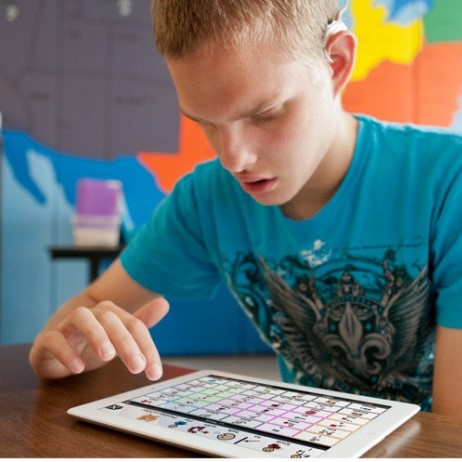
Resources are available through lending libraries across the state where individuals can select AT resources for trials with students at no cost.