Special Education
-
Special Education Compliance
-
Bulletins
- Information Update Bulletin 26.01
- Information Update Bulletin 24.02
- Information Update Bulletin 24.01
- Information Update Bulletin 23.01
- Information Update Bulletin 22.02
- Information Update Bulletin 22.01
- Information Update Bulletin 21.02
- Information Update Bulletin 21.01
- Information Update Bulletin 20.02
- Information Update Bulletin 20.01
- Information Update Bulletin 19.01
- Information Update Bulletin 18.02
- Information Update Bulletin 18.01
- Information Update Bulletin 14.02
- Information Update Bulletin 14.01
- Information Update Bulletin 13.01
- Information Update Bulletin 12.02
- Information Update Bulletin 11.01
- Information Update Bulletin 10.08
- Information Update Bulletin 10.07
- Information Update Bulletin 10.06
- Information Update Bulletin 10.05
- Information Update Bulletin 10.04
- Information Update Bulletin 10.03
- Information Update Bulletin 10.02
- Information Update Bulletin 10.01
- Information Update Bulletin 07.01
- Information Update Bulletin 06.03
- Information Update Bulletin 06.02
- Information Update Bulletin 06.01
- Information Update Bulletin 03.02
- Information Update Bulletin 01.04
- Information Update Bulletin 01.01
- Information Update Bulletin 00.04
- Information Update Bulletin 00.03
- Information Update Bulletin 98.04
- Information Update Bulletin 99.02
- Dispute Resolution Options
- Equitable Services Requirement: Special Education for Parentally Placed Private School Students
- Medicaid School-Based Services (SBS)
- Procedural Compliance Self-Assessment (PCSA)
- Sample Special Education Forms and Notices
- Seclusion and Physical Restraint
- Section 504
- Special Education Laws
- Special Education and Residential Care Centers (RCCs)
- State Special Education Procedures
-
Bulletins
- Special Education Information for Families
-
Comprehensive Special Education Evaluation
- A Framework for Comprehensive Special Education Evaluation
- Comprehensive Special Education Evaluation: Why it Matters
- Addressing Bias in a Comprehensive Special Education Evaluation
- Comprehensive Special Education Evaluation within a Multi-Level System of Support (MLSS)
- Comprehensive Special Education Evaluation: Related Legal Citations
- Comprehensive Evaluation Supplemental Resources
- Council on Special Education
-
Disability Categories
- Autism
- Blind and Visually Impaired
- Deaf and Hard of Hearing
- Deafblind
- Emotional Behavioral Disability
- Intellectual Disability
- Orthopedic Impairment
- Other Health Impairment
- Significant Developmental Delay
- Specific Learning Disabilities
- Speech or Language Impairment
- Traumatic Brain Injury
- Multilingual Learners and Special Education
- Students with the Most Significant Cognitive Disabilities
- Twice Exceptional Students
- Early Childhood Special Education
- Federal Data Collection Statewide Reports
- IDEA Federal Funding
- Individualized Education Programs (IEPs)
- Open Enrollment Special Education
- Related Services
- Resources to Attract, Prepare, and Retain Special Educators and Related Services Providers
- Specially Designed Instruction
- Special Education Paraprofessionals
-
Special Education Learning Resources
- Co-Teaching in Wisconsin
- Director of Special Education and Pupil Services Weekly News Archive
- Functional Behavioral Assessment (FBA)
- Implementation Zone
- Inclusive Strategies to Address Behavioral Needs for Students with IEPs
- National Organizations to Support Implementation of Evidence-Based Practices for Students with IEPs
- Professional Learning Events
- Regional Special Education Network (RSN)
- Resources for Health and Safety for Students with Disabilities
- Special Education and Pupil Services Leadership
- Supports for Educating Students with IEPs
- Workload Considerations
- Transition Planning for Students with IEPs
-
Wisconsin's State Performance Plan - Indicators
- State Performance Plan for 2026-2031
- Annual Performance Reports
- Collection of Cyclical Indicators
- Determination of Compliance with IDEA Requirements
-
WI State Performance Plan (SPP) Indicators
- Indicator #1: Graduation
- Indicator #2: Dropout
- Indicator #3: Assessment
- Indicator #4: Suspension and Expulsion
- Indicator #5: Educational Environments
- Indicator #6: Preschool Environments
- Indicator #7: Preschool Outcomes
- Indicator #8: Family Engagement
- Indicators #9 and #10: Disproportionate Representation
- Indicator #11: Child Find
- Indicator #12: Early Childhood Transition
- Indicator #13: Secondary Transition
- Indicator #14: Post School Outcomes
- Indicators #15 & #16: Dispute Resolution Options
- Indicator #17: State Systemic Improvement Plan (SSIP)
- Wisconsin Alternate Academic Achievement Standards
- Special Education A-Z Index
- Temas de educación especial
- Special Education Web Portal
- About Special Education at DPI
Assistive Technology Forward
Welcome to the Assistive Technology (AT) Forward webpage!
The AT Forward Project supports educators, practitioners, caregivers and families to increase student autonomy in utilizing Assistive Technology tools to support access, engagement, and progress in learning. It provides a statewide, virtual Community of Practice (CoP) to support AT, and by joining this Community of Practice (CoP), members will have the opportunity to learn from experts in the field and network with colleagues through statewide meetings, participate in free AT micro-credentialing opportunities, and receive monthly AT email updates. From AT beginner to expert, the AT Forward CoP welcomes all knowledge background levels to join!
To view and register for the upcoming Community of Practice meetings, click on the “AT Forward CoP Meeting Schedule” button.
To search recordings from past AT Forward CoP Meetings by topic, click on the “AT Forward Video Resource Library by Topic” button.
To view the entire AT Forward CoP playlist, visit the AT Forward CoP Meeting Playlist.
To become a member and get monthly email updates, click on the "Become a Member" button. This will direct you to DPI's GovD email platform where you can sign up to DPI email lists. AT Forward email list is located under the Special Education section.
Wisconsin Assistive Technology Resource Map
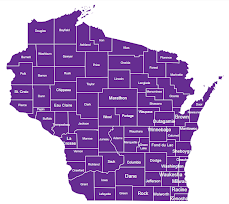
The Wisconsin Assistive Technology Resource Map was created by CESA 2 to connect students with IEPs to assistive technology resources available in Wisconsin. The map displays resources by county, provides guiding questions, and serves as a valuable resource to students, families/guardians, caregivers, case managers/special education teachers, and IEP teams. Resources are available through lending libraries across the state where individuals can select AT resources for trials with students at no cost.
ATLC Assistive Technology Lending Center
The Assistive Technology Lending Center (ATLC) is a lending library of lite, mid and high-end Alternative and Augmentative Communication(AAC) equipment for trial purposes for loan to Wisconsin LEA public school licensed professional educators for trial with children ages 3 to 18 who have IEPs and are enrolled in public schools or students age 19-21 who are enrolled in a Wisconsin LEA school program and have an IEP. To request assistive technology items for loan through the ATLC, click on the link above, set up a free account, select the category you are interested in, select “ATLC (AT Lending Center) WI School Based Loans” as the program, and search for the assistive technology that you are interested in obtaining for loan.